Queensland parklands stabilise ozone injection with pump and control upgrade
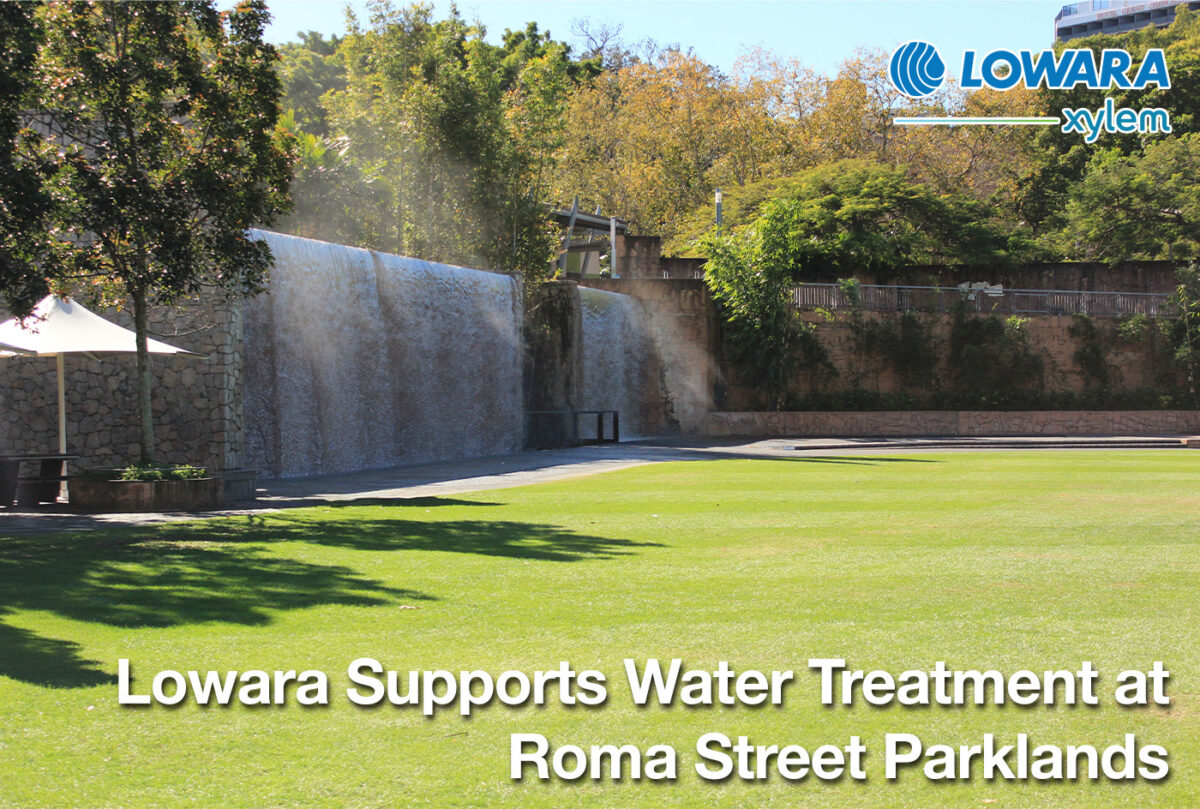
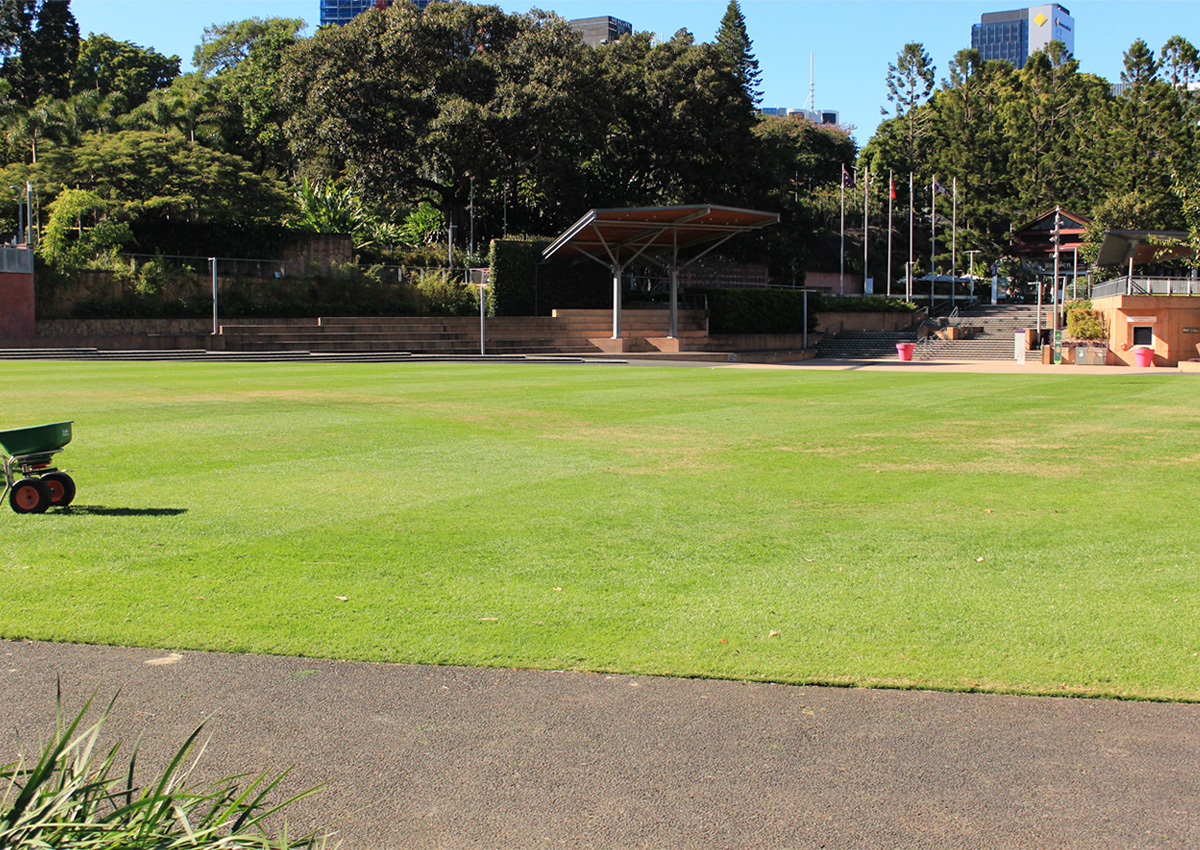
A well-known parklands precinct in South East Queensland was experiencing ongoing performance issues with its ozone water treatment system. The horizontal multistage pump in service was undersized and couldn’t maintain the stable pressure and flow required for the venturi injectors to draw ozone effectively from the generators.
Under pressure and undersized
Water for irrigation is sourced from a nearby creek and must be consistently disinfected to reduce the risk of aerosolised pathogens such as Listeria or E. coli. This is particularly crucial measure given the park’s continuous public access.
The previous horizontal multistage pump had been in operation for about three years but struggled to meet system demand. It could not provide the motive flow and differential pressure needed by the site’s multiple venturi injectors, which rely on a controlled pressure drop to create vacuum and draw ozone gas into the water stream. As a result, two injectors were effectively idle, not from generator failure, but due to inadequate suction caused by low and uneven line pressure. The pump was also wearing operating off its best efficiency point, leading to premature wear.
The existing pipeline layout also posed a challenge with hydraulic imbalance compounding the problem. Configured as a linear, dead-end header with three sequential tees the system produced unequal pressure along each branch. As the pipelines fouled over time, friction losses increased which only worsened the imbalance.
Increasing the pressure
Ozone Generator Specialists, led by Peter Gow, together with Brown Brothers Engineers Australia, conducted a site visit to inspect the system and recommend a solution.
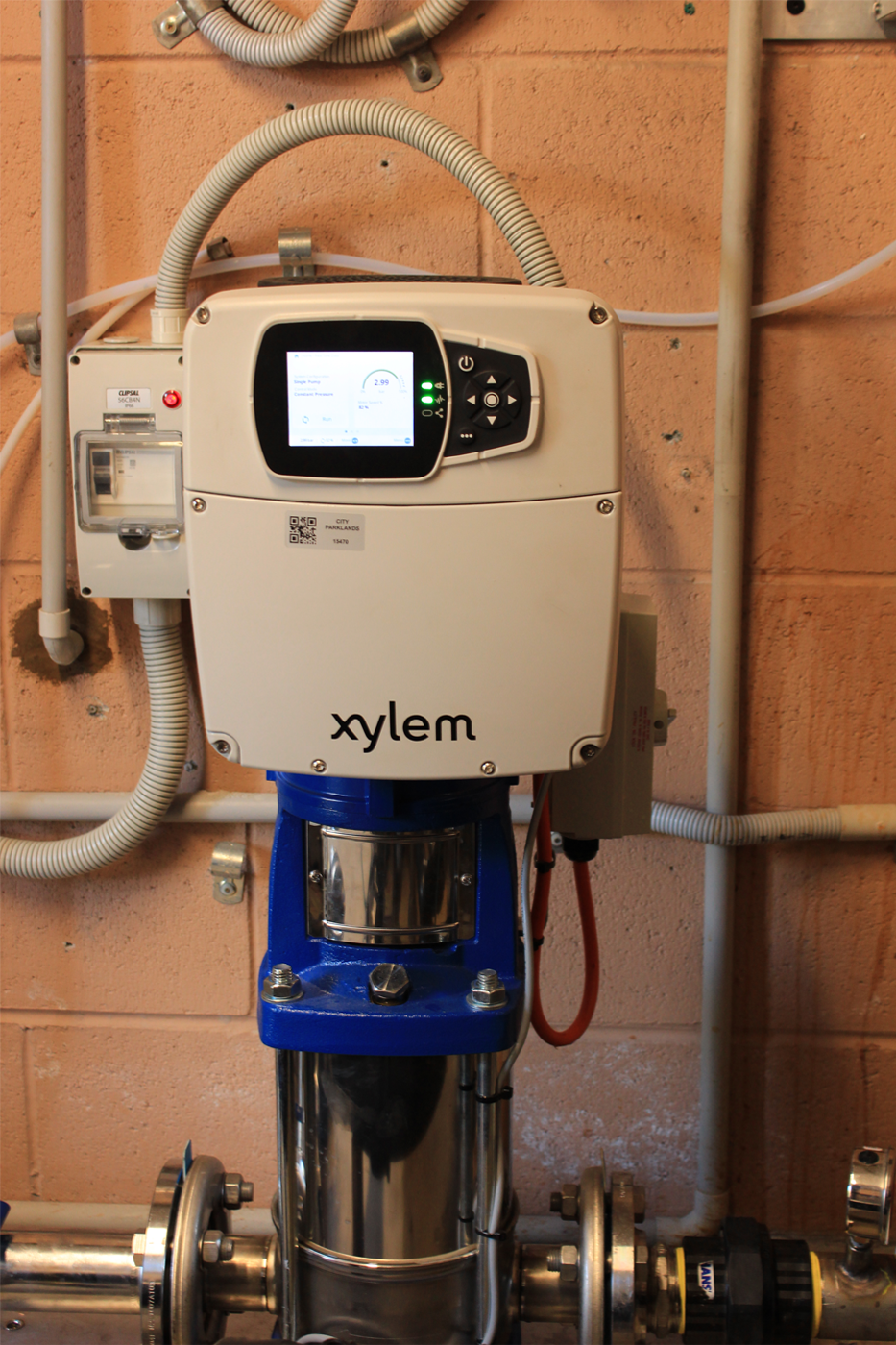
A Lowara e-SV Series 15SVX03 vertical multistage pump fitted with a Hydrovar X variable speed drive (VSD) was specified and installed to replace the original pump. The pump recirculates water from a 400 kL underground holding tank through venturi injectors where ozone is entrained and mixed before returning to the tank. Operating continuously, the loop keeps the stored water clean and ready for irrigation. The system consists of six ozone generators fed by three oxygen concentrators, delivering ozone across the three branches.
To correct the manifold imbalance, valves were installed and set to ensure even flow at each branch. “The valves allow the correct flow on each branch. They all have to have the same flow to achieve the same venturi,” said Peter. “By partially closing valves closest to the pump and opening those further away, all venturis could achieve consistent operation.”
Consistent ozone circulation
With the upgrade complete, the system now operates reliably with stable ozone performance. The new pump supplies the required head and flow across the system, while the new valve setup has balanced branch pressures.
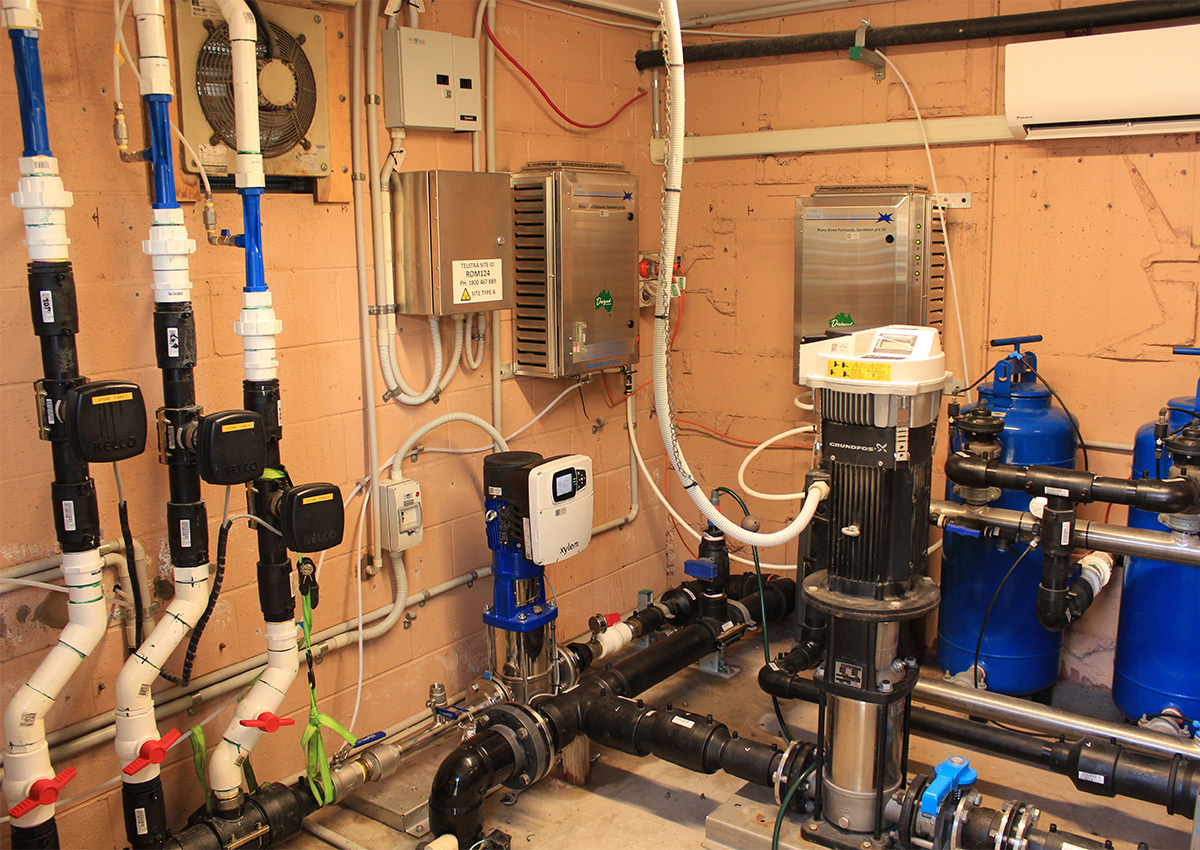
“Over time, the pipelines can get a bit dirty, but the improved ozone circulation has cleaned out the pipes, helping to reduce friction and stabilise performance,” Peter noted. “The parkland’s operations team regularly tests the water to ensure safety, and to date, no issues have been reported.”
There are also plans to integrate the Hydrovar X drive into its existing SCADA network using the built-in Modbus connectivity. This integration will enable remote monitoring and management to further support efficient and reliable operation.
Peter shared positive feedback on product reliability: “After one of my customers on an unrelated job initially pushed back on the Lowara brand, I told them – you couldn’t pay me to use another brand.”
With the upgraded pumping and control system in place, the parklands now benefit from dependable water quality and greater operational stability.